
 Coaxial Cable Assembly
 Microwave Test Cable
 Coaxial RF Connector
 Coaxial RF Adapter
 Coaxial RF Termination
 Coaxial RF Test Probe
 Coaxial RF Attenuator
 RF Switches
 Coaxial RF Power Dividers
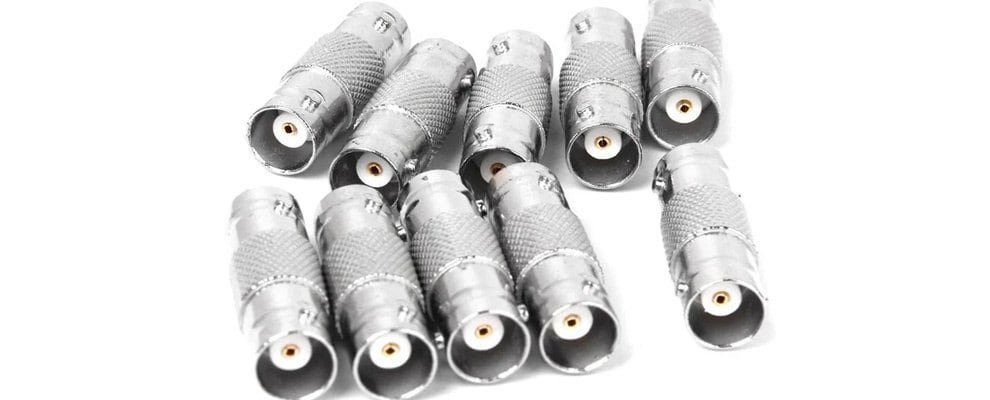
Professional engineers and technicians frequently encounter connection challenges when integrating BNC connectors with coaxial cables. This comprehensive guide addresses the essential question of how to establish reliable connections using the bnc coaxial cable adapter and related components for optimal signal transmission performance.
Understanding BNC Connector Fundamentals
BNC Female to coax Male Adapter Overview
BNC Female to coax Male Adapter systems represent critical components in radio frequency applications. The Bayonet Neill-Concelman connector, developed in the late 1940s, provides quick-connect functionality with superior mechanical stability. These bnc to coax adapter feature bayonet coupling mechanisms that achieve secure connections with quarter-turn engagement, ensuring minimal signal loss and reliable performance in high-vibration environments. They are ideal for test equipment, broadcast systems, and aerospace communications, delivering precise impedance matching and long-term durability.
Modern BNC Adapter configurations support both 50-ohm and 75-ohm impedance specifications. The 50-ohm variants serve microwave transmitters, ham radio systems, and test equipment, while 75-ohm versions excel in broadcast applications and high-definition video systems.
Essential Tools and Materials Required
Professional installation demands specific equipment to ensure reliable connections. BNC Cable termination requires coaxial cable strippers, crimping tools, and appropriate connectors. Essential tool requirements include:
Wire strippers capable of precise multi-layer cutting through outer jacket, braided shield, and dielectric materials. Crimping tools specifically designed for BNC connector types provide consistent mechanical pressure for secure connections. Cable cutters with curved jaws prevent dielectric deformation during preparation.
Quality materials significantly impact connection reliability. High-grade brass connectors with nickel plating resist corrosion and provide superior conductivity. Professional-grade coaxial cables such as RG-58, RG-59, and RG-6 offer optimal compatibility with standard BNC connectors.
Cable Preparation and Stripping Techniques
Proper cable preparation forms the foundation of successful connections. Professional stripping techniques require precise measurements and careful execution to avoid damaging internal conductors.
The stripping process begins with measuring cable length, adding extra material for adjustments13. Coaxial cable strippers provide consistent results by cutting outer jacket, braided shield, and dielectric insulation to specific dimensions. Standard BNC connectors typically require 1/4-inch center conductor exposure with 1/4-inch dielectric and braid preparation.
Manual stripping techniques using utility knives require extreme caution to prevent center conductor damage. Professional installers recommend specialized stripping tools for consistent results and reduced installation time13.
Connection Methods: Crimping versus Soldering
Two primary connection methods serve different application requirements. Crimping provides faster installation with consistent results, while soldering offers superior electrical performance for critical applications.
Advantages of Crimping
Crimping advantages include simplified installation procedures, consistent mechanical connections, and environmental resistance. The process creates air-tight seals preventing moisture intrusion and contamination. Professional crimping tools ensure proper compression ratios for reliable long-term performance.
Advantages of Soldering
Soldering techniques provide superior electrical conductivity and permanent connections. However, this method requires skilled technicians and specialized equipment including soldering irons, flux, and appropriate solder materials. Soldered connections excel in high-frequency applications where minimal signal loss is critical.
Step-by-Step Installation Process
Professional installation follows systematic procedures to ensure optimal results. The process begins with cable preparation, followed by connector assembly and final testing.
Initial preparation involves sliding the ferrule onto the cable before stripping operations. Strip the outer jacket 1/2 inch from the cable end, exposing the braided shield. Trim the braided shield to 1/4 inch while maintaining clean edges. Remove inner insulation 3/16 inch from the center conductor.
Connector assembly requires careful attention to component alignment. Insert the center conductor into the connector pin, ensuring proper seating. Slide the connector body over the center pin and under the braided shield. Position the ferrule over the braid and crimp securely using appropriate tools.
Impedance Matching and Signal Integrity
Proper impedance matching prevents signal reflections and maintains transmission quality. Standard RF systems utilize 50-ohm impedance for optimal power transfer and minimal signal loss. Mismatched impedances create standing wave ratios that degrade system performance.
The bnc to coaxial cable adapter serves as an interface between different impedance systems. Professional installations require careful consideration of impedance specifications to maintain signal integrity. Adapters enable connection between 50-ohm and 75-ohm systems when properly configured.
Common Installation Challenges and Solutions
Installation issues frequently arise from improper preparation or component mismatches. Signal loss problems typically result from loose connections, damaged cables, or interference from nearby electronic equipment. Professional troubleshooting begins with visual inspection of connections and cable integrity.
Compatibility problems occur when connector specifications don’t match equipment requirements. Impedance mismatches between different ohm ratings create reflection issues and signal degradation. Professional installers verify compatibility before installation to prevent system failures.
Corrosion represents a significant long-term challenge, particularly in outdoor installations. Regular inspection and maintenance using appropriate contact cleaners extend connector life. Weatherproof housings provide additional protection in harsh environments.
The bnc coaxial cable adapter serves as an interface between different impedance systems. Professional installations require careful consideration of impedance specifications to maintain signal integrity. Adapters enable connection between 50-ohm and 75-ohm systems when properly configured.
Testing and Verification Procedures
Professional installations require thorough testing to verify connection quality and system performance. Continuity testing ensures proper electrical connections between center conductor and shield. Signal quality measurements identify potential issues before system deployment.
Advanced testing procedures include impedance measurements and frequency response analysis. Professional test equipment provides accurate measurements across operating frequency ranges. BNC Adapter configurations enable connection of test equipment to various system interfaces.
Professional Applications and Use Cases
In industrial and commercial environments, BNC cable systems ensure dependable signal transmission for a broad spectrum of professional applications. When professionals search define bnc connector, it is recognized as a compact, quick-connect RF termination for coaxial cables, essential for test and measurement equipment requiring accurate signal acquisition and analysis. Oscilloscopes, spectrum analyzers, and network analyzers rely on BNC interfaces to maintain precision in critical measurements, and our solutions streamline the coax to bnc integration, installation, and maintenance processes for OEMs, system integrators, and enterprise test labs demanding robust, high-integrity signal paths. Additionally, our connectors address common challenges like signal interference and connector loosening by offering enhanced shielding and a secure bayonet lock, which minimizes downtime and ensures consistent performance in dynamic operating conditions.
Our BNC cable systems, supported by an integrated trade and manufacturing operation, provide the dependable performance professional users require, with the bayonet neill concelman bnc connector playing a central role in ensuring secure, quick-lock connections across diverse applications. This reliable bnc connector connection simplifies installation and reduces setup time, addressing common issues like signal loss and improper terminations. Our precision-engineered connectors are ideal for test and measurement instruments, including oscilloscopes, spectrum analyzers, and network analyzers, delivering exceptional accuracy in signal capture and analysis. In broadcast and telecommunications, they enable high-frequency signal distribution with consistent impedance matching for optimal picture and data integrity. Video production professionals benefit from low-loss transmission and robust mechanical stability, while medical device manufacturers depend on these connectors for critical patient monitoring and diagnostic systems that demand fault-free operation. Additionally, our connectors offer enhanced durability and compatibility with various coaxial cables, minimizing downtime in demanding environments. By combining end-to-end manufacturing expertise with rigorous quality control, each bayonet neill concelman bnc connector guarantees the reliability and performance that B-end clients expect, supporting efficient and error-free integrations.
Maintenance and Long-Term Performance
Regular maintenance ensures continued performance and extends connector life. Professional maintenance schedules include periodic inspection, cleaning, and replacement of worn components. Environmental factors such as moisture, temperature fluctuations, and mechanical stress affect connector reliability.
Preventive maintenance practices include regular cleaning with appropriate contact cleaners and application of protective coatings. Professional installations benefit from scheduled inspections to identify potential issues before failures occur.
Professional coax to bnc installations require systematic approaches combining proper tools, techniques, and materials. Success depends on careful preparation, precise crimping or compression methods, and thorough testing procedures. These robust adapters maintain 50-ohm impedance matching while preventing signal degradation and EMI interference, ensuring reliable performance in broadcast, telecommunications, and test equipment applications. Following professional standards guarantees weather-resistant connections and long-term system integrity across diverse environmental conditions.